We’re all used to referring to Asperger’s syndrome as the condition affecting savant autistic individuals who can recite 1,000 digits after the famous 3.14, or accurately draw every window in a city they’ve flown over in a helicopter, or recite most of the phone book, and so on. In fact, many great scholars have this syndrome—as do brilliant yet dangerous billionaires like Elon Musk, as well as numerous dictators and writers. Yet this description of a specific syndrome has disappeared from official classifications and from the “bible” of Autism Spectrum Disorder (ASD) classifications—the famous DSM-5 (Diagnostic and Statistical Manual of Mental Disorders)—which now includes all forms of autism.
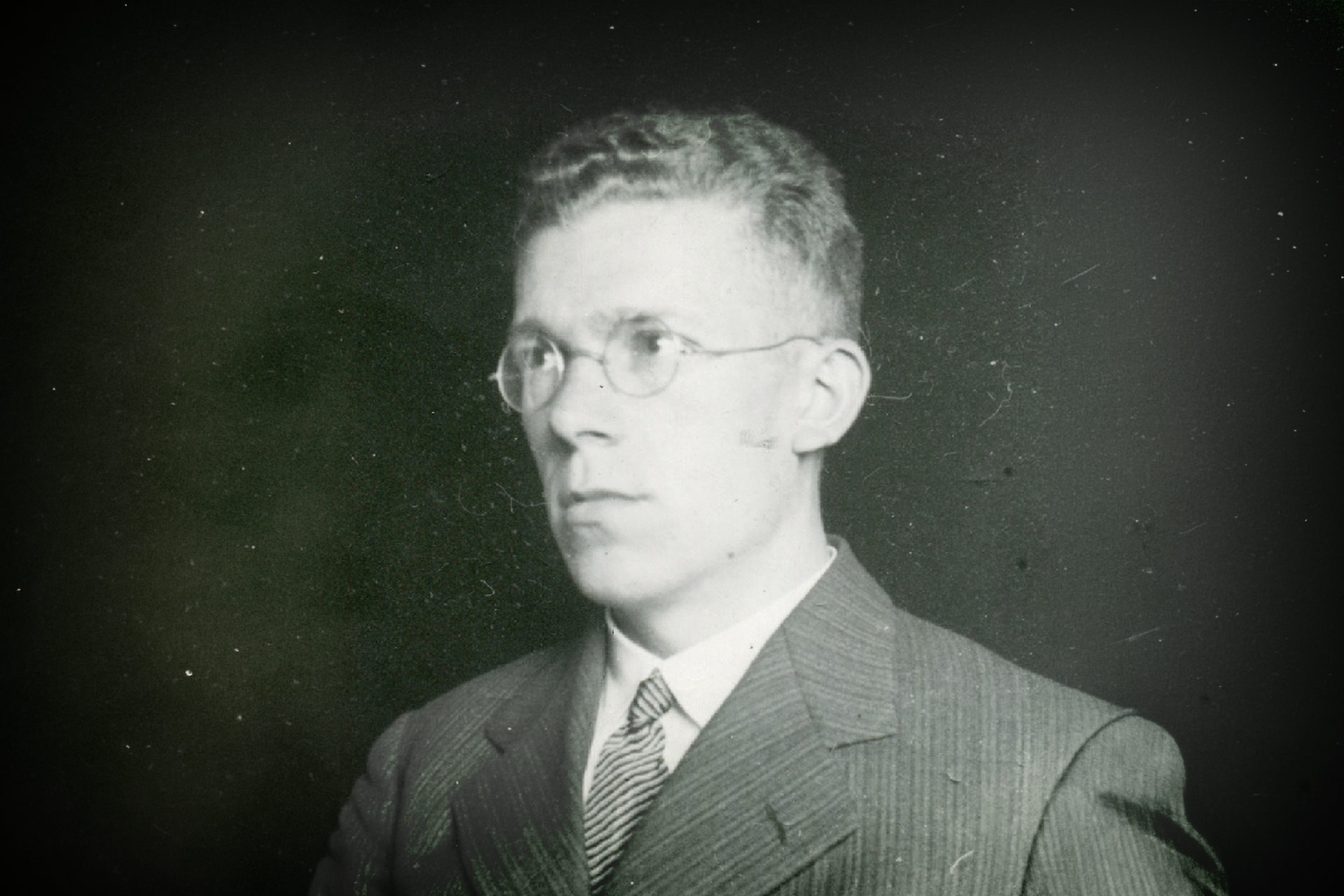
But who is Hans Asperger?
An Austrian child psychiatrist practicing in Vienna who is said to have discovered the “special abilities” of certain autistic children, particularly their exceptional memory. He had crafted a golden legend for himself—resistance to the Nazis, rescuing numerous Jewish children, and so on. The truth is quite different—from the very beginning, he embraced Nazi ideology and carried out a deadly screening of Jewish children or those with disabilities who did not meet “Aryan” criteria, sending them to their deaths in specialized facilities in the Austrian capital located next to the child psychiatry ward—a division of labor, so to speak. He managed to evade prosecution after the war, living out his life peacefully in his bed in 1980 without ever standing trial.
It was British child psychiatrists who discovered Asperger’s articles and publicized the new diagnosis of autistic children with specific characteristics. And thus, the term “Asperger’s syndrome” came into use.
Yet as early as 1944, he had published an article using Nazi rhetoric, stating that “the autistic person is only himself and is not an active member of the greater organism.” Asperger also adopted the central concept of Nazi psychiatry, the Gemüt (editor’s note: the soul, the sense of community), viewing autism as a disharmony of the Gemüt. Autism was the opposite of Nazism, which is based on the group, whereas autism is based on the self. Nevertheless, in addition to his crimes, he appropriated discoveries made by others. In fact, a Russian child psychiatrist of Ukrainian origin, Dr. Sukhareva, had already described—as early as 1921, even before Kanner, who is considered the discoverer of autism—various types of autistic children. These publications were later translated into German and published, and Asperger must have been aware of them in 1944 when he published his article. This is certainly not the firsttime a woman has been erased from the history of scientific discoveries, but it is instructive because, just as Dr. Sukhareva showed empathy for her patients by attempting to classify them within the realm of disorders that must be treated with kindness, Asperger’s contempt for these children is clearly evident in his life and work.
In conclusion, let us remember that these children represent only a minority of those with autism, sharing with the majority only the difficulty with socialization and communication. We will have to get used to referring to them differently: high-functioning autistic individuals? Advances in diagnosis are finally beginning to categorize the heterogeneous populations of Autism Spectrum Disorders on different bases.
Links and References : Edith Scheffer – Children with Asperger’s (Flammarion).