Science does not know everything! Why does the universe seem to be expanding? Why and how do certain cancers and brain diseases develop, and how can they be treated? On the other hand, when science demonstrates a fact, ignoring it is tantamount to preferring fake news to reality and using your legs more than your brain.
The laws presented by Senator Duplomb—who is also head of the FNSEA (French National Federation of Farmers’ Unions) and a farmer himself, and therefore a staunch defender of his own interests—fall into this category. There is simply no denying that acetamiprid and its cousin molecules kill bees, systematically and effectively, and in the process cause fatal cancers in those directly affected and in the neighbors of pesticide fields. The same is true of cardiovascular disease, liver and pancreatic cancer, and diseases, particularly brain diseases, caused when pregnant women live close to these fields, with an increase in malformations and neurodevelopmental disorders.
When Minister Génevard, a staunch defender of industrial farmers, declares that this insecticide is everywhere, she is spreading fake news. According to ANSES, this product is indeed present in 261 of the 40,000 products authorized in France, and none of them have been authorized for sale because they have not been subjected to toxicity studies.
To say that studies have shown it to be safe is a second piece of fake news! The studies suggesting this are essentially tainted by severe conflicts of interest, with the Brussels authorities having an unfortunate tendency to choose “experts” directly from the lobbies of big industry and to exclude the only serious studies carried out by real experts with no conflicts of interest. We scientists have our work evaluated by peers we do not choose, otherwise our work would be tainted by legitimate suspicion, and we must also declare our conflicts of interest in each of our articles. If toxicity were determined by representatives of the agrochemical industry, even cyanide would be declared non-toxic. Fleur Breteau’s chilling testimony that “voting for the Duplomb law is voting for cancer” serves as a reminder of the seriousness of what is happening!
As for the environment, acetamiprid degrades very slowly in water, after polluting our water sources and ending up everywhere in our bodies. At the European level, its half-life is estimated at 79.7 days and it is even found in rainwater (recent Japanese study).
As for the argument that we French are the most protective and that other Europeans are worse, this is also fake news. The amount of pesticides sprayed on French fields, 3.45 kg/hectare, places France in second place in Europe behind Italy. In terms of authorized substances, 298 out of 422 active substances are authorized in France (just behind Spain with 317). So even if other farmers want to kill themselves by handling these products, and in the process increase cancer in the population, should we imitate them? Should we also destroy our biodiversity and our rivers? Strange logic.
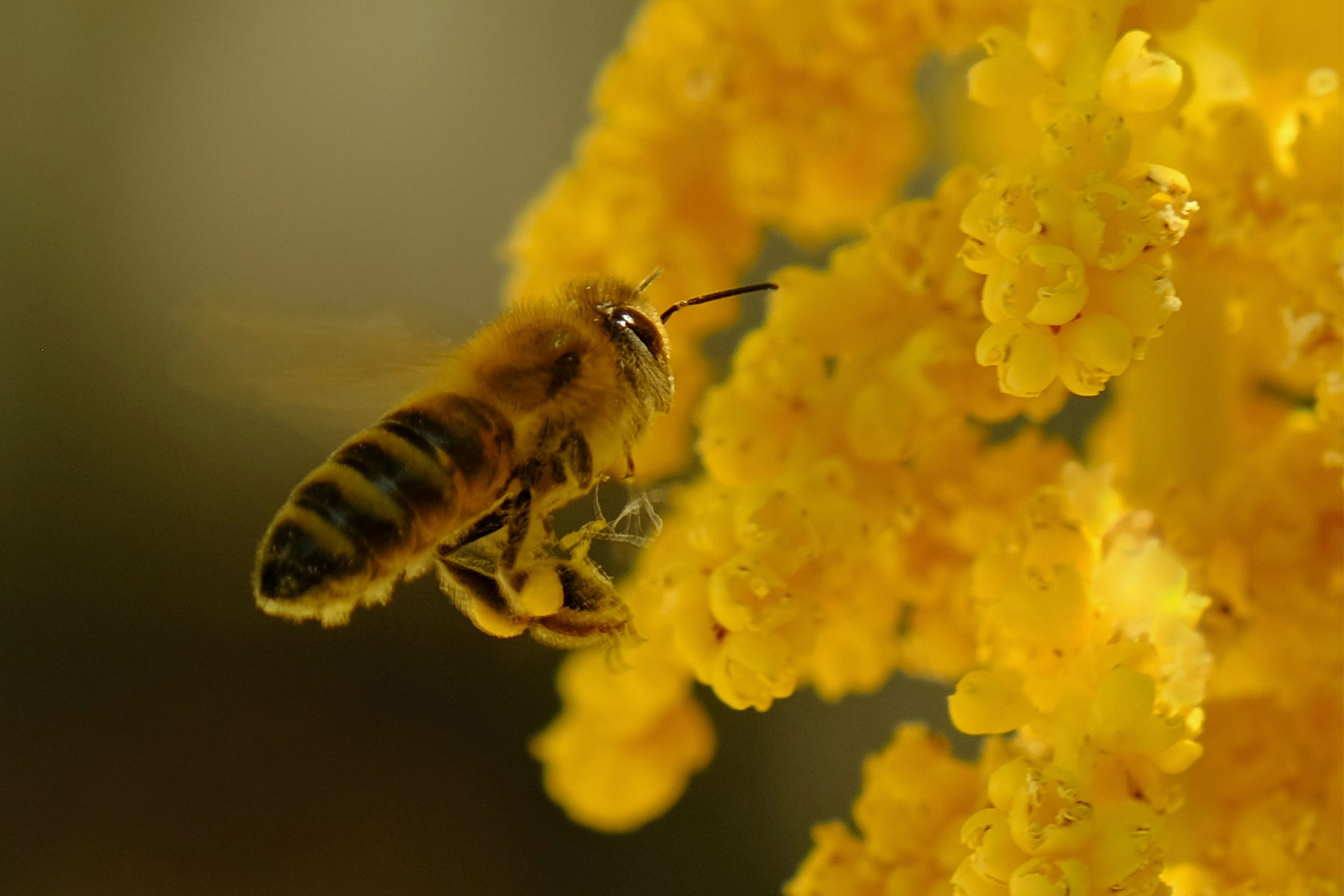
Finally, killing bees and other insects means turning our fields into silent fields, as shown 60 years ago by Rachel Carlson (Silent Spring) and also in Nicolas Legendre’s book (Silence in the fields ). Ultimately, this also means impacting the pollination of hazelnut trees and, more completely, hundreds of vegetable and fruit plants that will be abandoned. No big deal, we can always focus our food supply on hazelnuts and beets, even if the range of recipes is a little bit limited. Farmers who prefer to kill insects, themselves, and their neighbors would do better to use their brains rather than their muscles, especially since alternatives exist. The aggression tolerated by political authorities, which has no equivalent in other professions, weakens democracy and strengthens the most aggressive among farmers and the far right, whose love of science is very moderate. Then, if there is no alternative to save hazelnuts and beets, I prefer, as the Great Georges Brassens aid, “to die for hazelnuts and beets, okay, but from a slow death.”
Photo József Szabó – Unsplash