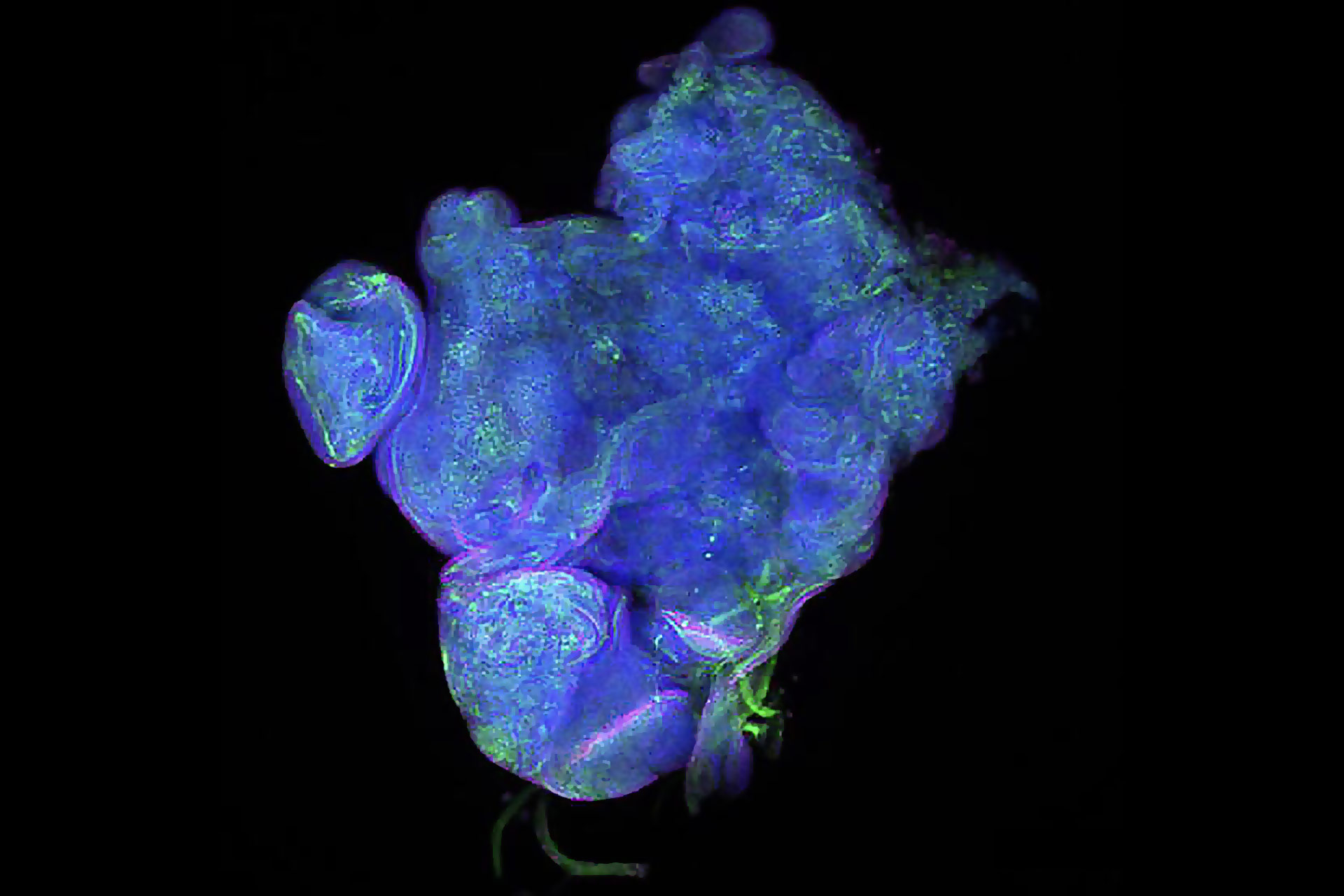
The case was clear: cancers are due to an unpredictable genetic mutation, in short, bad luck, the accumulation of mutations in the DNA leads to the disruption of certain key genes and the disordered cells begin to proliferate until form a cluster of abnormal cells: a tumor. Treatments are also focused on how to counteract this mutation and block its effects. Recent work by a French team led by DR Cavalli from the Human Genetics Institute in Montpellier suggests that things are not so simple. This work involves epigenetics, which has often been discussed here. In summary, epigenetics is the study of the mechanisms which mean that the same DNA sequence can be expressed or not, depending on the context, notably the environment and a large number of biological factors. Epigenetics makes it possible to turn this or that gene on or off. Of course, hard-core geneticists were aware of epigenetics but involved it secondarily, first a mutation then regulation by epigenetics. However, this work shows that this is not the case. This work carried out in the eye of the vinegar fly – the Drosophila that geneticists love so much because it is easy to use and reproduces quickly. Indeed, these flies are easy to use and inexpensive to maintain, making them a popular model organism for studying cancers.
The example of arsenic is interesting because at low doses it is carcinogenic and yet it does not activate genes, it seems that this involves a modification of epigenesis which, remember, can be transmitted without going through a modification of DNA…Researchers will now study the effects of carcinogenic molecules widely discussed at the moment such as bisphenol, PFAS, etc. Let us remember that epigenesis is at the center of the multiple interactions which link genes and environment – which converge at the level of epigenesis to activate or block the expression of this or that gene and therefore the deleterious manifestations of the type of cancer.
https://www.nature.com/articles/s41586-024-07328-w
Photo : GIACOMO CAVALLI / CNRS